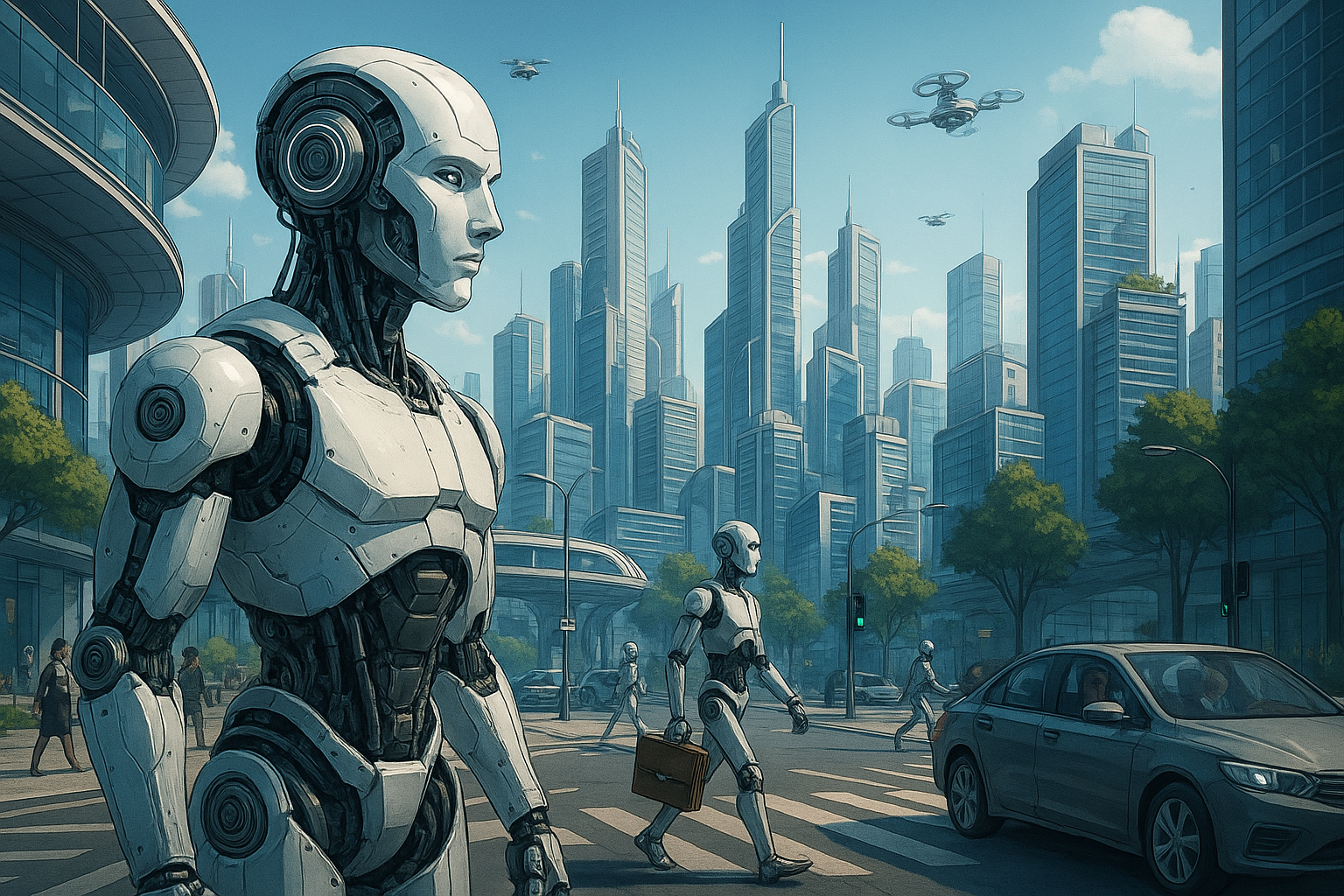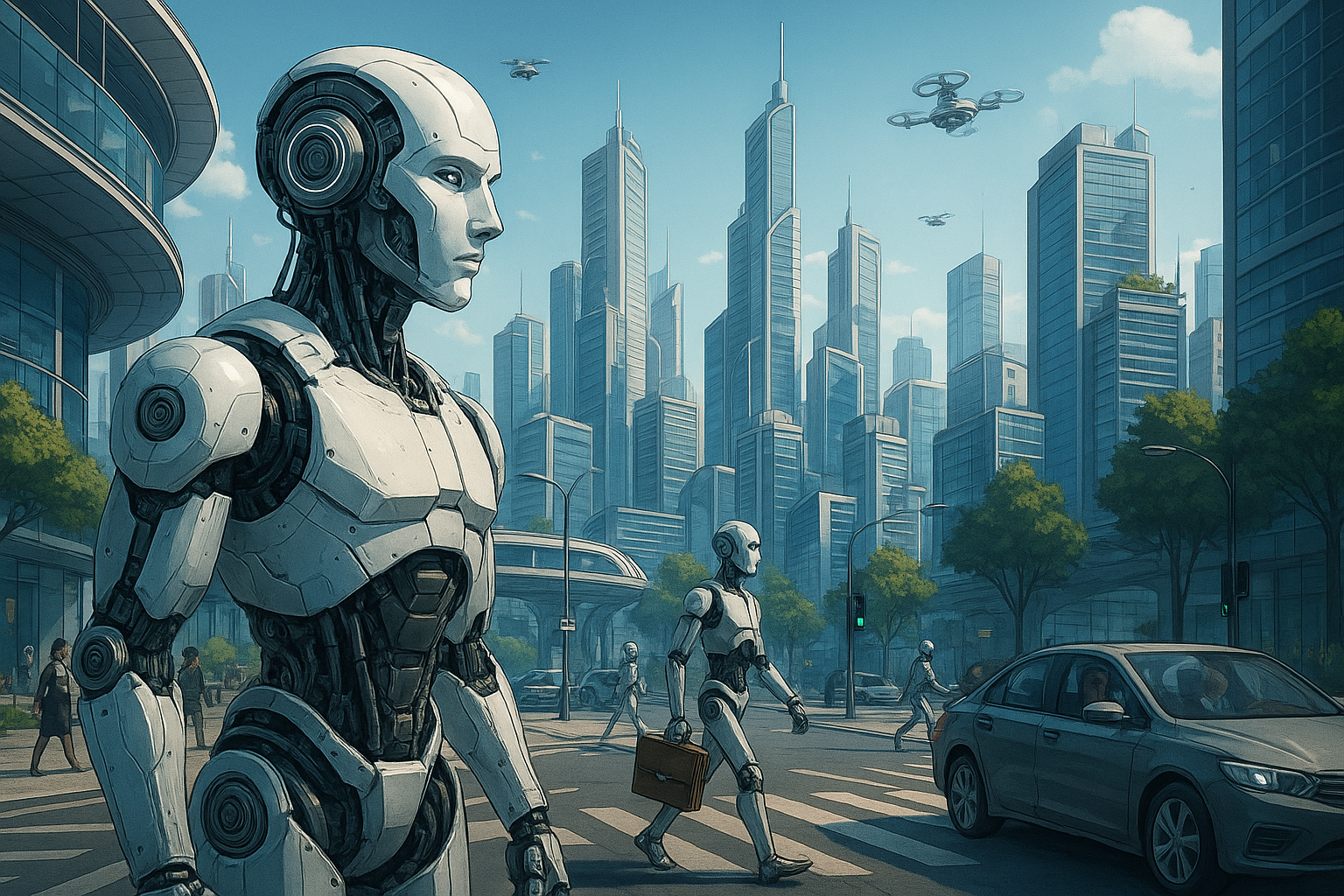
The rapid advancement of artificial intelligence and robotics has sparked one of the biggest questions of the 21st century: Will robots replace humans at work?
From self-driving cars to automated factories and intelligent chatbots, machines are performing tasks that once required uniquely human skills. Kenya, like the rest of the world, is beginning to feel the tremors of this technological revolution.
Automation in the Workforce
Globally, studies suggest that by 2030, up to 800 million jobs could be affected by automation. In Kenya, we’re already witnessing a shift—AI chatbots in customer service, robotic process automation in banking, and smart machines in manufacturing. The rise of platforms like Twiga Foods and Safaricom’s digital systems shows how technology can both create and displace jobs.
The Inevitable Shift
Robots excel in repetitive, high-precision, and dangerous tasks. They don’t get tired, they don’t strike, and they don’t ask for raises. However, they lack creativity, emotional intelligence, and ethical reasoning—qualities that define human uniqueness.
While some low-skill jobs may disappear, new opportunities are emerging in fields like AI ethics, robotics maintenance, data science, and human–machine collaboration. Instead of full replacement, we are witnessing a transformation of work.
The Kenyan Context
Kenya’s tech ecosystem, dubbed the "Silicon Savannah," is growing fast. With companies embracing automation and smart systems, digital literacy is becoming as essential as traditional education. Jobs in digital marketing, AI development, and cybersecurity are rising even as manual labor becomes less dominant.
Will Robots Replace Humans Entirely?
Probably not. Robots are tools, not masters. Their intelligence is borrowed from human design and programming. They will handle repetitive tasks, freeing humans to focus on creativity, empathy, strategy, and leadership.
The challenge for individuals is to adapt—to learn, unlearn, and relearn. Those who embrace technology will thrive; those who resist change risk being left behind.
The Future of Human Work
The real question isn’t whether robots will replace us—it’s how we’ll evolve with them. The future workforce will be defined by collaboration, not competition, between humans and machines.
So, instead of fearing robots, we should prepare to work with them